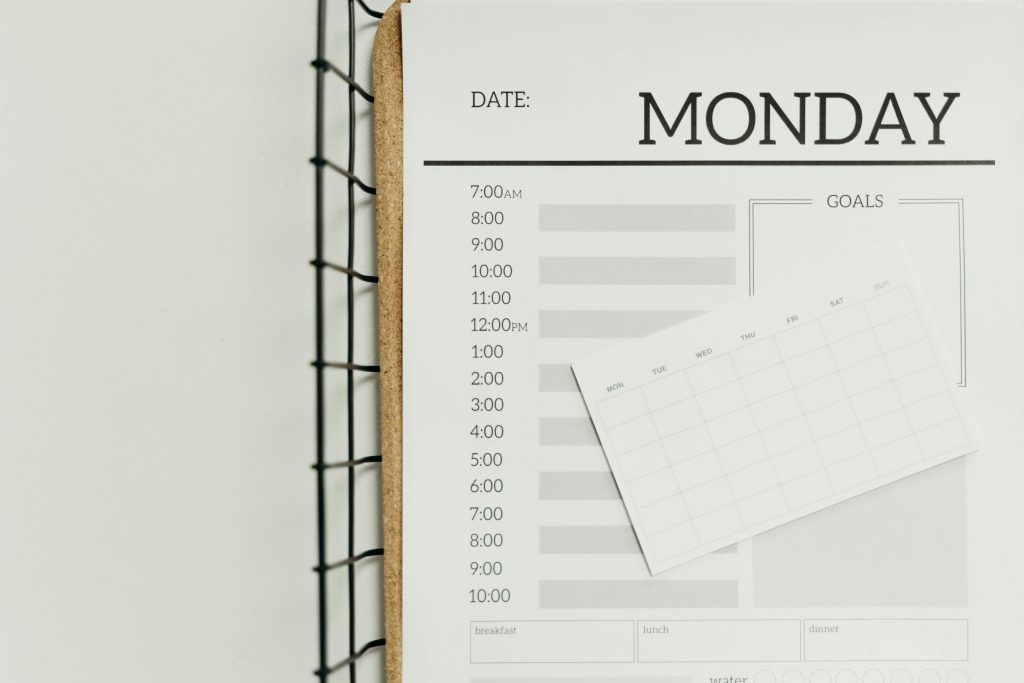
Weekly planning is often meant to make life feel calmer and more manageable. But for many people, planning can sometimes create its own kind of pressure.
A new week begins with good intentions:
- Catch up on household tasks
- Stay on top of appointments
- Prepare meals
- Respond to messages
- Exercise regularly
- Organise paperwork
- Manage work responsibilities
- Keep family life running smoothly
Then real life happens.
Unexpected appointments appear. Energy levels change. School schedules shift. Work becomes busier than expected. Tasks take longer than planned. By the middle of the week, the carefully organised plan may already feel difficult to maintain.
This can create a cycle where weekly planning becomes less about support and more about trying to fit too much into already limited time and mental space.
The good news is that planning does not need to involve highly structured schedules or long unrealistic task lists. Often, a calmer and more sustainable approach works better long term.
A simple weekly planning system can help you stay organised without feeling constantly behind.
Why Weekly Planning Can Become Overwhelming
Many people unintentionally plan their weeks based on ideal circumstances rather than realistic ones.
For example, a weekly plan may assume:
- Energy will stay consistent every day
- Nothing unexpected will happen
- Every task will take the minimum amount of time
- There will be no interruptions
- Motivation will remain high all week
Real life rarely works this way.
Most weeks include:
- Delays
- Fatigue
- Unexpected tasks
- Emotional stress
- Changing priorities
- Family responsibilities
- Administrative interruptions
When a schedule leaves no room for these realities, even small disruptions can make the entire week feel unmanageable.
Stop Planning as Though Every Week Will Go Perfectly
A sustainable weekly plan usually works with real life rather than against it.
This means accepting that:
- Some tasks may move to next week
- Energy levels may change
- Unexpected events will happen
- Certain days may be less productive than others
Planning realistically is not the same as lowering standards. It is creating a system that remains functional even during busy or unpredictable weeks.
Ask Yourself:
- What is genuinely achievable this week?
- What matters most?
- What can wait if needed?
- What would make this week feel more manageable?
These questions often create calmer plans than trying to schedule everything at once.
Focus on Priorities Instead of Perfect Schedules
One of the simplest ways to reduce overload is to stop treating every task as equally important.
Choose a Few Core Priorities
These may include:
- Essential appointments
- Work responsibilities
- School requirements
- Meal preparation
- Household basics
- Health-related tasks
When everything becomes a priority, schedules often become overloaded very quickly.
Try Identifying:
Essential Tasks
Things that genuinely need attention this week.
Helpful Tasks
Things that would improve life but are flexible.
Optional Tasks
Things that can wait without major consequences.
This can reduce pressure and help you plan more realistically.
Start With Fixed Commitments First
Before adding tasks to your week, begin with commitments that already have set times.
Examples Include:
- Work shifts
- Appointments
- School events
- Extracurricular activities
- Meetings
- Existing family commitments
Adding these first creates a clearer picture of how much time and energy is actually available.
Look for Naturally Busy Days
Some days may already contain:
- Multiple appointments
- Long travel times
- Emotional demands
- Childcare responsibilities
- Heavy workloads
These days may need lighter expectations elsewhere.
A balanced week usually works better than trying to make every day equally productive.
Use a Realistic Approach to Time and Energy
Many people plan based only on available time, but energy matters too.
Two free hours at the end of an exhausting day may not feel the same as two free hours during a calm morning.
Consider:
- Which days are usually more draining?
- When do you typically have the most focus?
- Which tasks require the most mental energy?
- Which responsibilities leave you needing recovery time?
Planning around realistic energy patterns can make schedules feel more sustainable.
Match Tasks to Capacity
For example:
- Administrative tasks may suit lower-energy periods
- Complex planning may work better during quieter times
- Physically demanding tasks may need recovery space afterward
This reduces the pressure to force productivity at times when capacity is already low.
Avoid Filling Every Available Space
One common cause of overload is assuming that every free block of time should be used productively.
However, fully packed schedules often become fragile.
When one thing changes:
- Everything shifts
- Tasks pile up
- Stress increases
- Recovery time disappears
Leave Margin in Your Week
Margin simply means leaving some space unplanned.
This may include:
- Free evenings
- Buffer time between appointments
- One lower-commitment day
- Open time for unexpected tasks
Unscheduled time is not wasted time. It is often what helps a week remain manageable when life becomes unpredictable.
Create Categories Instead of Giant Task Lists
Long unstructured task lists can feel mentally overwhelming.
Instead of one large list, simple categories can create more clarity.
Examples of Weekly Categories
Work
- Emails
- Meetings
- Follow-ups
- Deadlines
Household
- Laundry
- Groceries
- Cleaning
- Maintenance
Family Admin
- School forms
- Appointments
- Scheduling
- Paperwork
Personal Tasks
- Exercise
- Rest
- Social commitments
- Financial admin
This approach often makes tasks feel more manageable and easier to prioritise.
Use “Must Do,” “Helpful,” and “Optional” Planning
Not every task needs to fit into the same level of urgency.
Must Do
Tasks that genuinely need completion this week.
Examples:
- Paying bills
- Attending appointments
- Returning important forms
Helpful
Tasks that would reduce stress but can move if needed.
Examples:
- Organising paperwork
- Meal prep
- Decluttering
Optional
Tasks that are not urgent.
Examples:
- Larger projects
- Deep cleaning
- Non-essential errands
This structure allows flexibility without feeling like the entire week has failed when plans change.
Build Flexibility Into Your Week
Life rarely follows schedules perfectly.
Instead of planning tightly hour by hour, flexibility often creates more realistic structure.
Flexible Planning Might Include:
Time Blocks
For example:
- Admin tasks in the morning
- Errands in the afternoon
- Household reset in the evening
Theme Days
Examples:
- Grocery day
- Appointment day
- Admin day
- Rest-focused day
Adjustable Tasks
Tasks that can move easily if needed.
This approach allows adaptation without needing to completely rebuild the week when something changes.
Group Similar Tasks Together
Task switching can increase mental fatigue.
Grouping similar tasks often reduces the feeling of constantly changing focus.
Examples of Task Grouping
Administrative Block
- Phone calls
- Emails
- Appointment bookings
- Paperwork
Errand Block
- Groceries
- Pharmacy
- School pickups
- Returns
Household Block
- Laundry
- Meal prep
- Tidying
- Cleaning
This can make tasks feel more contained and less mentally scattered.
Plan for Low-Energy Days
Not every day will have the same level of motivation or capacity.
Planning for this ahead of time can reduce guilt and frustration later.
Create “Low-Energy” Task Options
Examples include:
- Folding laundry
- Replying to one email
- Reviewing the calendar
- Ordering groceries online
- Preparing simple meals
Having smaller manageable tasks available can help maintain momentum without requiring high energy.
Keep Meals and Household Tasks Simple
During busy weeks, simplifying basic routines can reduce mental overload significantly.
Ways to Simplify
Repeat Meals
Using familiar meal rotations can reduce decision fatigue.
Reduce Deep Cleaning Expectations
Focus on:
- Safety
- Function
- Basic comfort
Use Convenience Strategically
Examples:
- Batch cooking
- Grocery delivery
- Pre-prepared ingredients
- Shared responsibilities where possible
Simplification is often more sustainable than trying to maintain ideal routines during already full weeks.
Use Short Weekly Planning Sessions
Weekly planning does not need to take hours.
In many cases, 15–30 minutes is enough.
A Simple Weekly Planning Session Might Include:
Review Appointments
Check:
- Times
- Locations
- Preparation needs
Identify Top Priorities
Choose:
- Essential tasks
- Important follow-ups
- Flexible tasks
Check Household Needs
Review:
- Meals
- Laundry
- School requirements
- Groceries
Leave Space
Avoid filling every free block automatically.
Short consistent planning sessions are often easier to maintain long term.
Avoid Rewriting the Same Unrealistic Lists
One common sign of overload is repeatedly transferring unfinished tasks to new lists each week.
This often happens when:
- Too many tasks are planned
- Priorities are unclear
- Capacity is overestimated
- Everything feels urgent
Use One Running Task List
Instead of starting from scratch constantly:
- Keep one master list
- Pull only a few realistic tasks into the week
- Let lower-priority items remain parked until needed
This reduces repeated rewriting and mental frustration.
A Realistic Example of a Manageable Weekly Plan
A calmer weekly structure might look something like this:
Sunday Evening
- Review calendar
- Plan meals
- Identify top priorities
- Check appointments
Monday
- Lower-energy admin tasks
- Laundry and household reset
Wednesday
- Appointments and errands grouped together
Friday
- Keep evening lightly scheduled
- Prepare for upcoming week
Daily
- Short morning review
- One main task list
- Buffer space between commitments
This type of plan may not eliminate stress entirely, but it can reduce the feeling of constantly trying to catch up.
Final Thoughts
Weekly planning is often most helpful when it creates support rather than pressure.
A realistic plan does not require perfect discipline or highly structured schedules. In many cases, simpler systems work better because they allow room for real life, changing energy levels, and unexpected responsibilities.
The most sustainable weekly plans often include:
- Clear priorities
- Flexible structure
- Buffer space
- Realistic expectations
- Simpler routines
- Fewer unnecessary decisions
You do not need to fit everything into one week to be organised or responsible.
The goal is simply to create enough structure that life feels more manageable, less mentally crowded, and easier to navigate one week at a time.